
Eye Disease Management in Midlothian, TX
Changes in vision can be concerning, especially when an eye condition has been diagnosed or when symptoms begin to affect everyday activities. At Texas State Optical, we help patients monitor and manage a variety of eye diseases through routine evaluations, advanced diagnostic technology, and ongoing care designed to protect long-term vision.

Many Eye Diseases Develop Before Symptoms Appear
Some of the most common eye diseases develop gradually and may not cause noticeable symptoms in their earliest stages. By the time vision changes become obvious, damage may have already occurred.
Regular eye exams allow our doctors to monitor eye health, identify changes early, and recommend treatment or management strategies before problems become more serious. Early detection often creates more opportunities to preserve vision and maintain independence over time.

Routine Monitoring Plays an Important Role in Glaucoma Care
Glaucoma is often called the “silent thief of sight” because vision loss can occur before noticeable symptoms appear. Many patients are unaware they have glaucoma until significant damage has already occurred.
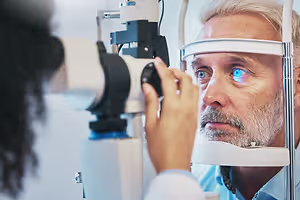
Routine monitoring allows our doctors to evaluate eye pressure, assess optic nerve health, and identify early signs of glaucoma. For patients who have already been diagnosed, ongoing care helps track changes and support long-term vision preservation.
Cataract Evaluations & Co-Management
Cataracts can cause vision to become blurry, hazy, or less vibrant over time. Many patients notice increasing difficulty reading, driving, or seeing clearly in low-light conditions.
Our team provides cataract evaluations and works closely with patients throughout the referral and co-management process when surgery becomes appropriate. We remain involved before and after surgery to help support a smooth experience and the best possible visual outcome.
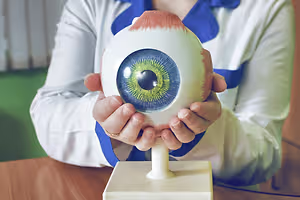
Retinal Changes Often Develop Before Symptoms Appear
Diabetes can affect the eyes long before noticeable vision changes occur. Many patients experience no symptoms in the early stages of diabetic eye disease, which makes routine monitoring especially important.
Regular diabetic eye exams allow our doctors to evaluate retinal health and identify diabetes-related changes as early as possible. Ongoing monitoring helps patients take a proactive approach to protecting their vision and overall eye health.
Macular Degeneration Management
Macular degeneration can make everyday activities such as reading, recognizing faces, driving, and using digital devices more challenging over time.
Routine monitoring allows our doctors to evaluate retinal health, track changes, and recommend management strategies tailored to each patient’s condition and visual needs. Early detection and ongoing care play an important role in helping patients maintain their quality of life.

Dry Eye Disease & Other Eye Health Concerns
In addition to monitoring common eye diseases, our team evaluates and manages a variety of conditions that can affect vision and comfort.
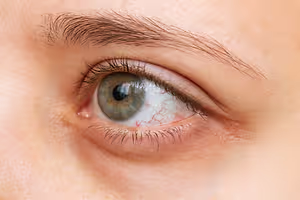
Dry eye disease, corneal conditions, retinal concerns, and other eye health issues often require ongoing observation and treatment. Regular eye examinations help ensure these concerns are identified early and managed appropriately as your needs change.
Changes in Vision Can Make Daily Activities More Challenging
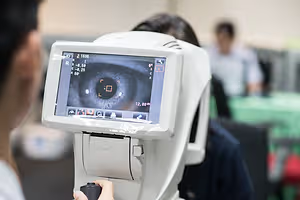
Accurate diagnoses begin with accurate information. Our practice utilizes advanced diagnostic technology and digital imaging systems to evaluate eye health and monitor changes over time.
These tools allow our doctors to gather detailed information about the retina, optic nerve, and other important structures within the eye. The result is a more complete understanding of your eye health and more informed treatment recommendations when concerns are identified.

Routine Monitoring Helps Protect Your Vision
Many eye diseases can be managed more effectively when changes are identified early. Routine eye exams and ongoing monitoring help patients stay informed about their eye health and take action when necessary.
Schedule an Appointment
Schedule an appointment at Texas State Optical to learn more about your eye health and receive the ongoing care needed to help protect your vision for years to come.