
Dry Eye Treatment in Midlothian, TX
Dry eye symptoms can make reading, driving, screen use, and contact lens wear uncomfortable. Many patients spend years relying on eye drops without addressing the underlying cause of their symptoms. At Texas State Optical, we provide advanced dry eye treatments designed to identify why your symptoms are occurring and help you achieve more lasting relief.

Why Your Eyes May Feel Dry, Watery, or Irritated
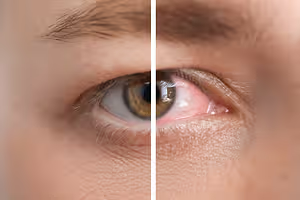
Dry eye disease does not always feel the way people expect. In fact, watery eyes are among the most common symptoms. Many patients assume their eyes are producing too many tears when the real issue is poor tear quality or an unstable tear film.
When the eyes do not receive the moisture and protection they need, symptoms can become increasingly noticeable throughout the day. Long workdays, screen time, contact lens wear, and outdoor exposure can all worsen dry eye symptoms.

Common Symptoms of Dry Eye
Dry eye symptoms vary from person to person and may become more noticeable during activities that require prolonged visual focus.
Common symptoms include:
- Burning or stinging eyes
- Watery eyes
- Redness
- Blurred or fluctuating vision
- Eye fatigue
- Light sensitivity
- A gritty or sandy sensation
- Contact lens discomfort
- Excessive tearing
- Difficulty using digital devices for extended periods
If these symptoms occur regularly, a dry eye evaluation can help determine what may be contributing to the problem.
Why Dry Eye Symptoms Keep Coming Back
Many patients become frustrated because their symptoms improve temporarily but keep returning. In many cases, the underlying cause of dry eye has never been fully addressed.
One of the most common causes of dry eye disease is meibomian gland dysfunction (MGD), a condition that affects the glands that produce the oils that help keep tears from evaporating too quickly.
Other contributing factors may include:
- Aging
- Hormonal changes
- Extended screen use
- Environmental conditions
- Certain medications
- Contact lens wear
- Underlying health conditions
Because dry eye can have multiple causes, successful treatment starts with identifying the source of the problem rather than simply treating the symptoms.
Treatment Options That Go Beyond Eye Drops
Artificial tears may provide temporary relief, but they often do not address the underlying cause of why dry eye symptoms keep returning. Our approach focuses on helping patients achieve longer-lasting relief through treatments designed to improve tear film health and support proper gland function.
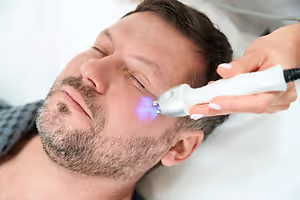
Intense Pulsed Light therapy, commonly known as IPL, is an advanced treatment that targets inflammation and meibomian gland dysfunction, one of the most common causes of dry eye disease. IPL uses carefully controlled pulses of light energy to help improve gland function and support a healthier tear film. Many patients notice improvements in comfort, eye irritation, and overall symptom severity following treatment.
Meibomian gland dysfunction is one of the leading causes of dry eye disease. When the glands become blocked or stop functioning properly, tears evaporate more quickly and symptoms become more persistent.
Our doctors evaluate gland health and recommend treatments designed to improve function, support tear stability, and help reduce chronic irritation.
Radiofrequency treatment uses gentle thermal energy to support meibomian gland function and improve the quality of the tear film. By helping restore healthy oil production, radiofrequency therapy can reduce tear evaporation and improve overall eye comfort. Many patients choose radiofrequency treatment as part of a comprehensive dry eye treatment plan designed to address the source of their symptoms.
Dry eye symptoms are often part of a broader condition known as ocular surface disease. Successful treatment requires more than simply relieving symptoms. It requires understanding how the tear film, eyelids, meibomian glands, and the eye's surface work together.
Our doctors develop individualized treatment plans that may include in-office therapies, at-home care recommendations, lifestyle modifications, and ongoing monitoring to help improve long-term eye health and comfort.
Scleral Lenses Create a Protective Moisture Reservoir For Dry Eyes
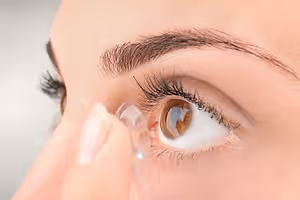
Many patients assume they need to stop wearing contact lenses when dry eye symptoms become severe. In some cases, addressing the underlying cause of dry eye can improve contact lens comfort and help patients continue wearing lenses more successfully.
For patients with significant dry eye disease, specialty contact lenses may also be discussed as part of a long-term management strategy.
Find Relief From Your Dry Eye Symptoms
Dry eye symptoms should not control your day. If burning, watering, irritation, blurry vision, or contact lens discomfort are affecting your quality of life, our team is here to help. Schedule a dry eye evaluation at Texas State Optical to learn more about the treatment options available and discover whether advanced dry eye therapy may be right for you.