
Comprehensive Eye Exams in Midlothian, TX
Comprehensive eye exams evaluate your vision, prescription, and overall eye health. At Texas State Optical, our optometrists use advanced diagnostic technology to detect changes that may not cause noticeable symptoms. Routine eye exams help patients protect their vision and maintain long-term eye health.
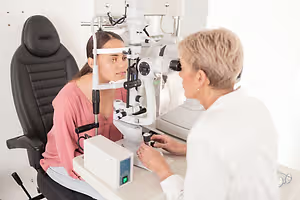
More Than Half of Vision Loss Is Preventable or Treatable With Early Detection
Many eye conditions develop gradually and may not cause symptoms during their earliest stages. Vision changes can happen so slowly that patients often adapt without realizing it. Children may not recognize they are struggling to see clearly, and adults may assume headaches, eye strain, or blurry vision are simply part of a busy lifestyle.
Regular eye exams help identify these changes early, often before they begin affecting your daily life. In addition to updating your prescription, comprehensive eye exams provide valuable information about the overall health of your eyes.
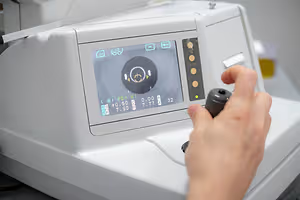
What Happens During a Comprehensive Eye Exam?
Every eye exam begins with a conversation about your vision, health history, lifestyle, and any concerns you may have. Your doctor then performs a series of tests designed to evaluate both your eyesight and eye health. During your examination, we may assess:
- Visual acuity and prescription changes
- Eye coordination and focusing ability
- Eye pressure
- Retinal health
- Overall eye health
- Risk factors for eye disease
Once your exam is complete, your doctor will review the results with you, answer questions, and discuss any recommendations that may help support your vision and eye health.
What Can a Comprehensive Eye Exam Detect?
Many patients are surprised to learn how much information a comprehensive eye exam can reveal. In addition to evaluating vision, eye exams can help identify and monitor a variety of eye health conditions.
Routine examinations may assist in the detection and monitoring of:
Eye exams in childhood help support healthy vision development and detect issues early. A comprehensive eye exam for children may detect:
- Vision problems, including nearsightedness, farsightedness, and astigmatism
- Amblyopia, also known as lazy eye
- Eye alignment issues
- Retinal conditions
- Dry eye
- Early signs of eye disease
- Eye injuries or trauma
- Other vision and eye health concerns
Eye exams help detect changes, reduce strain, and catch problems early in busy adult lives. A comprehensive eye exam for adults ages 18–39 may detect:
- Vision changes
- Dry eye
- Changes in eye pressure
- Digital eye strain
- Contact lens-related issues
- Early signs of eye disease
- Eye injuries or trauma
- Other vision and eye health concerns
Eye exams are important for detecting age-related conditions and protecting long-term vision. A comprehensive eye exam for adults ages 40–64 may detect:
- Glaucoma
- Cataracts
- Dry eye
- Diabetic eye disease
- Changes in eye pressure
- Retinal conditions
- Macular degeneration
- Other vision and eye health concerns
Regular exams help monitor eye health and preserve quality of life as you age. A comprehensive eye exam for seniors may detect:
- Glaucoma
- Cataracts
- Macular degeneration
- Diabetic eye disease
- Changes in eye pressure
- Retinal conditions
- Dry eye
- Other vision and eye health concerns
Regular comprehensive eye exams are an important part of preventive eye care and can help protect your vision for years to come.
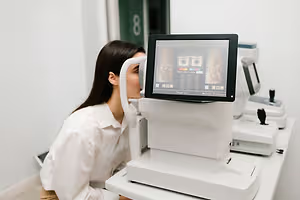
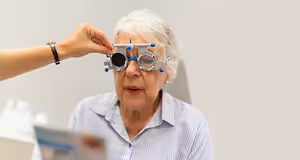
From First Eye Exams to Long-Term Eye Health
Children & Teens
Regular eye exams help monitor visual development, support learning, and identify vision problems that may affect reading, classroom performance, sports, and everyday activities.
Adults
Routine eye exams help maintain clear vision, monitor prescription changes, and identify eye health concerns before symptoms become noticeable.
Adults Over 60
Age-related eye conditions become more common. Regular eye exams help your eye doctor monitor your eye health. They can spot cataracts, glaucoma, and macular degeneration early.
Patients with Diabetes or Other Risk Factors
If you have diabetes, high blood pressure, or a family history of eye disease, you may need eye exams more often. We’ll keep a close watch on your eye health over time.
Eye Exams Reveal More Than Prescription Changes
Schedule a comprehensive eye exam at Texas State Optical and take an important step toward protecting your vision for years to come.