


 Online Forms

The Role of Advanced Retinal Imaging in Eye Disease Detection
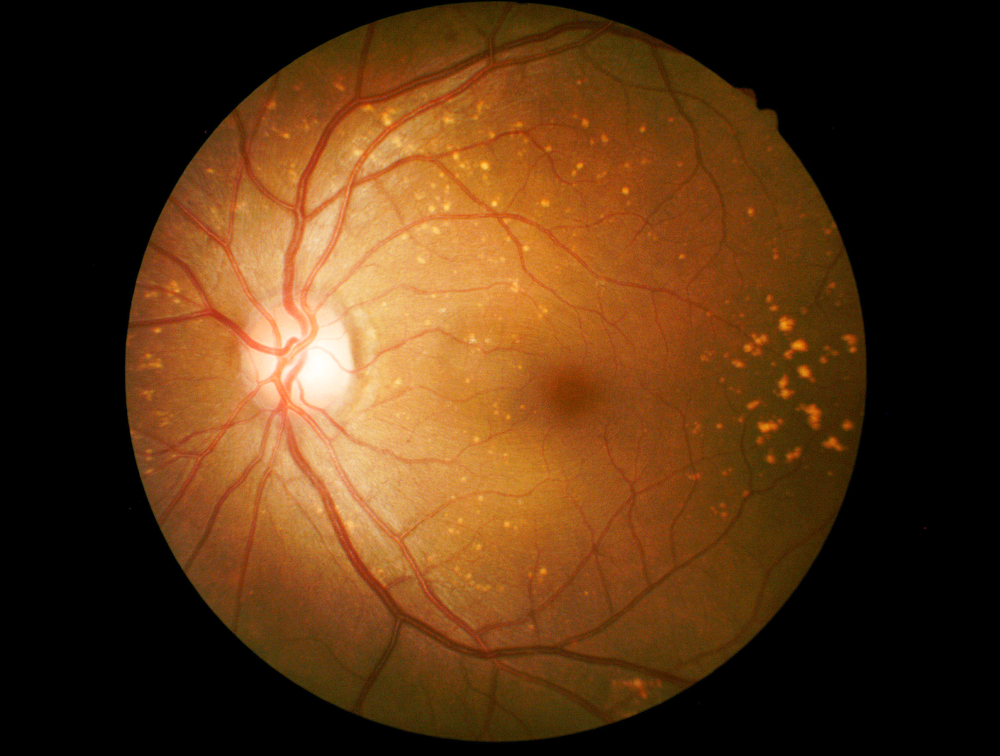
Many eye diseases develop silently, causing damage long before symptoms are noticeable. Advances in eye care technology now allow eye doctors to detect these conditions earlier than ever. Advanced retinal imaging plays a crucial role in identifying hidden eye health issues, helping preserve vision and support long-term eye health through early diagnosis and monitoring.
What Is Advanced Retinal Imaging?
Advanced retinal imaging uses high-resolution digital technology - such as Optical Coherence Tomography (OCT) and Optos ultra-widefield imaging - to capture detailed images of the retina, optic nerve, and surrounding blood vessels at the back of the eye. These advanced tools provide a wide, in-depth view of eye structures that goes far beyond what traditional eye exams alone can reveal.
Technologies like OCT and Optos imaging create a record of your eye health. These images can be compared year over year, allowing your eye doctor to detect even subtle changes early and monitor the progression of eye conditions with greater accuracy.
Why the Retina Is So Important
The retina is essential for vision - it converts light into signals your brain interprets as images. Because of its delicate structure and direct connection to the brain, changes in the retina can signal the early stages of eye disease or other health concerns.
Many retinal conditions develop quietly, without pain or noticeable vision changes in the early stages. Advanced imaging allows these issues to be identified before irreversible damage occurs.
Eye Conditions That Retinal Imaging Helps Detect
Advanced retinal imaging is a powerful tool for identifying and managing a wide range of eye diseases, including:
Glaucoma: Early signs of glaucoma often involve subtle changes to the optic nerve. Retinal imaging helps detect nerve damage before significant vision loss occurs.
Macular Degeneration: Imaging can identify early macular changes, allowing for timely intervention and monitoring to help preserve central vision.
Diabetic Retinopathy: For patients with diabetes, retinal imaging can reveal blood vessel changes, swelling, or leakage before vision is affected.
Retinal Tears or Detachment: High-resolution images help detect thinning or damage to the retina that could lead to sudden vision loss if left untreated.
Hypertensive and Vascular Changes: Retinal blood vessels can show signs of high blood pressure or circulation issues, offering insight into overall health.
Benefits of Advanced Retinal Imaging for Patients
Choosing an eye exam that includes advanced retinal imaging offers several key advantages:
Earlier detection of eye disease
Improved accuracy in diagnosis
Enhanced monitoring over time
Reduced need for pupil dilation in many cases
Peace of mind through detailed documentation of eye health
By catching problems earlier, treatment options are often more effective and less invasive.
Schedule Your Eye Exam Today
Advanced retinal imaging has transformed how eye diseases are detected and managed. By allowing doctors to see detailed structures beneath the surface, this technology helps protect vision, identify health risks earlier, and support proactive, personalized eye care. At Texas State Optical Midlothian, we are committed to using advanced diagnostic tools to safeguard your eyesight today and for years to come.
Schedule your comprehensive eye exam with advanced retinal imaging at Texas State Optical Midlothian to protect your vision. Visit our office in Midlothian, Texas, or call (972) 299-3720 to book an appointment today.
Quick Links
Helpful Articles
article_category: products
article_category: psychiatry
article_category: faqs
article_category: cats
article_category: general
article_category: services
article_category: technology
article_category: dogs
article_category: restorative
article_category: vision therapy
article_category: contact lenses
article_category: health
article_category: conditions
article_category: eye surgery co-management
article_category: exotic
article_category: cosmetic
article_category: surgical procedures
article_category: aesthetics
article_category: preventative
article_category: ocular disease management
article_category: eyeglasses
article_category: eye health
article_category: large animal
[]
article_category: psychiatry
article_category: faqs
article_category: cats
article_category: general
article_category: services
article_category: technology
article_category: dogs
article_category: restorative
article_category: vision therapy
article_category: contact lenses
article_category: health
article_category: conditions
article_category: eye surgery co-management
article_category: exotic
article_category: cosmetic
article_category: surgical procedures
article_category: aesthetics
article_category: preventative
article_category: ocular disease management
article_category: eyeglasses
article_category: eye health
article_category: large animal
[]
Flowbite is an open-source library of interactive components built on top of Tailwind CSS including buttons, dropdowns, modals, navbars, and more.
Check out this guide to learn how to get started and start developing websites even faster with components on top of Tailwind CSS.

All Eyecare Services
We offer a wide variety of eye care services to the Midlothian community. Contact us with any questions about our services.

Keep In Touch
For non-urgent questions or to learn more about our services, contact us today!

Contact Information
Office Hours
- Monday 9:00 AM - 6:00 PM
- Tuesday 9:00 AM - 6:00 PM
- Wednesday 9:00 AM - 6:00 PM
- Thursday 9:00 AM - 6:00 PM
- Friday 9:00 AM - 6:00 PM
- Saturday 9:00 AM - 2:00 PM
- Sunday Closed
- Monday 9:00am - 6:00pm
- Tuesday 9:00am - 6:00pm
- Wednesday 9:00am - 6:00pm
- Thursday 9:00am - 6:00pm
- Friday 9:00am - 6:00pm
- Saturday 10:00am - 2:00pm
- Sunday Closed
- Monday 8:00am - 5:00pm
- Tuesday
- Wednesday
- Thursday
- Friday
- Saturday
- Sunday
© 2026 Texas State Optical Midlothian. All rights Reserved - Accessibility Statement - Privacy Policy - Sitemap
Managed and Designed by 