


 Online Forms

How Early Myopia Management Can Prevent Serious Eye Problems
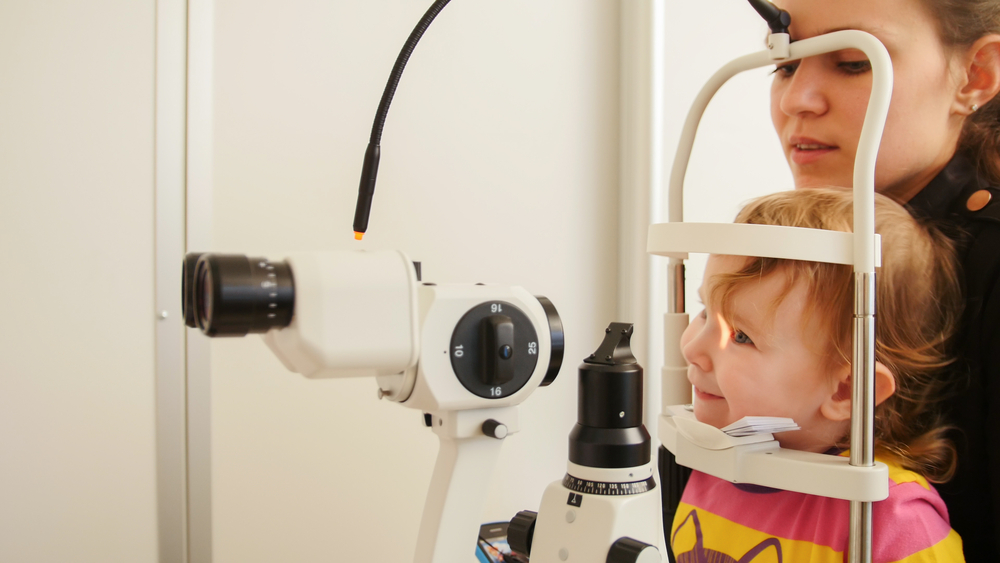
Myopia, or nearsightedness, often begins in childhood and tends to worsen as the eyes grow. When it progresses unchecked, it can increase the risk of more serious eye problems later in life, including retinal damage, glaucoma, and myopic macular degeneration. Early myopia management helps slow that progression and supports long-term eye health. As myopia advances, the eye becomes longer from front to back. That extra elongation places more stress on the retina and other structures inside the eye. A stronger glasses prescription may seem like the main concern, but the bigger issue is that higher levels of myopia are linked to greater risk for future complications. Regular monitoring makes it easier to catch changes before they become more serious. Children do not always realize their vision is changing. Parents in Midlothian should watch for habits that may point to worsening myopia, such as: Squinting to see faraway objects Sitting very close to screens Holding books too close to the face Frequent headaches or eye strain Trouble seeing the board at school These signs can indicate that a child needs a comprehensive eye exam and a plan to manage myopia early. Myopia management is not just about updating glasses. It is a proactive approach designed to slow how quickly nearsightedness worsens. Depending on the child’s needs, treatment may include specially designed contact lenses, prescription eye drops, or other customized options. Starting treatment earlier often leads to better long-term results because the eyes are still developing. Routine pediatric eye exams are one of the best ways to detect myopia early. Vision screenings at school can be helpful, but they do not replace a full eye exam. A complete evaluation can identify subtle changes in prescription, assess eye health, and determine whether myopia management is appropriate. For families in Midlothian, staying ahead of these changes can help protect both vision and academic performance. Myopia management works best when paired with healthy daily habits. Children should spend more time outdoors, take regular breaks from close-up work, and use screens at a reasonable distance. These simple steps may help reduce visual strain and support a child’s treatment plan. When families and eye doctors work together, children have a better chance of maintaining healthier vision as they grow. Contact Texas State Optical Midlothian in Midlothian, TX for personalized myopia management and pediatric eye care by calling (972) 775-4040.
How Myopia Progression Affects Eye Health
Signs a Child May Need Myopia Management
Early Treatment Can Slow Progression
The Importance of Routine Pediatric Eye Exams
Building Better Long-Term Vision Habits
Quick Links
Helpful Articles
article_category: restorative
article_category: vision therapy
article_category: contact lenses
article_category: health
article_category: conditions
article_category: eye surgery co-management
article_category: exotic
article_category: cosmetic
article_category: products
article_category: psychiatry
article_category: faqs
article_category: cats
article_category: general
article_category: services
article_category: technology
article_category: dogs
article_category: surgical procedures
article_category: aesthetics
article_category: preventative
article_category: ocular disease management
article_category: eyeglasses
article_category: eye health
article_category: large animal
[]
article_category: vision therapy
article_category: contact lenses
article_category: health
article_category: conditions
article_category: eye surgery co-management
article_category: exotic
article_category: cosmetic
article_category: products
article_category: psychiatry
article_category: faqs
article_category: cats
article_category: general
article_category: services
article_category: technology
article_category: dogs
article_category: surgical procedures
article_category: aesthetics
article_category: preventative
article_category: ocular disease management
article_category: eyeglasses
article_category: eye health
article_category: large animal
[]
Flowbite is an open-source library of interactive components built on top of Tailwind CSS including buttons, dropdowns, modals, navbars, and more.
Check out this guide to learn how to get started and start developing websites even faster with components on top of Tailwind CSS.

All Eyecare Services
We offer a wide variety of eye care services to the Midlothian community. Contact us with any questions about our services.

Keep In Touch
For non-urgent questions or to learn more about our services, contact us today!

Contact Information
Office Hours
- Monday 9:00 AM - 6:00 PM
- Tuesday 9:00 AM - 6:00 PM
- Wednesday 9:00 AM - 6:00 PM
- Thursday 9:00 AM - 6:00 PM
- Friday 9:00 AM - 6:00 PM
- Saturday 9:00 AM - 2:00 PM
- Sunday Closed
- Monday 9:00am - 6:00pm
- Tuesday 9:00am - 6:00pm
- Wednesday 9:00am - 6:00pm
- Thursday 9:00am - 6:00pm
- Friday 9:00am - 6:00pm
- Saturday 10:00am - 2:00pm
- Sunday Closed
- Monday 8:00am - 5:00pm
- Tuesday
- Wednesday
- Thursday
- Friday
- Saturday
- Sunday
© 2026 Texas State Optical Midlothian. All rights Reserved - Accessibility Statement - Privacy Policy - Sitemap
Managed and Designed by 